 Sekond


One question. Seven minds.
Their own words, in their own language.
Nobody recorded them, so we designed each voice.
“Is habit something you choose?”
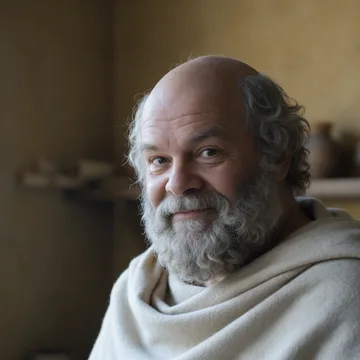
Socrates
Asks, waits, asks again. Sounds amused by the answer.
Built from Plato and Xenophon
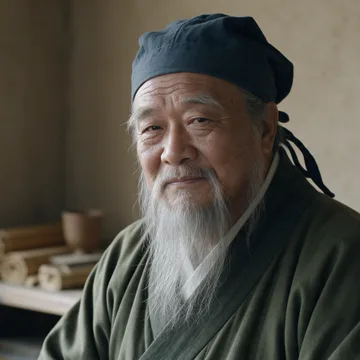
Confucius
Short sentences, long pauses. Lets the line sit.
Built from the Analects
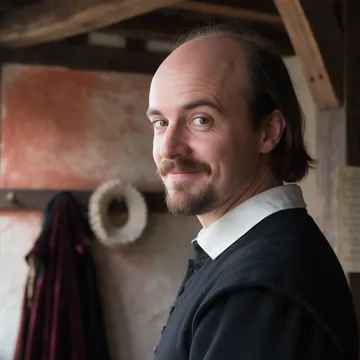
Shakespeare
Plays the line instead of reading it. Leans in for the turn.
Built from the plays and sonnets
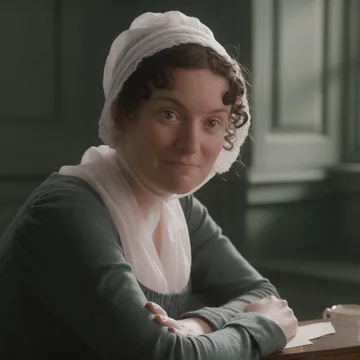
Jane Austen
Says the sharp thing gently, then lets it land.
Built from six novels and her letters
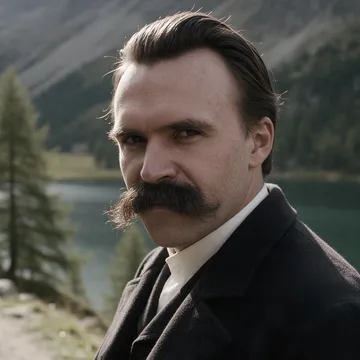
Nietzsche
Throws the hard question, then lets it hang.
Built from The Gay Science
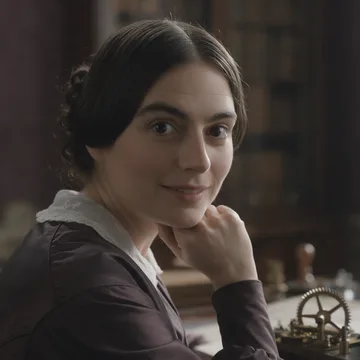
Ada Lovelace
Turns the machine into a picture you can see.
Built from her 1843 Notes and letters

Murasaki Shikibu
Notices everything, and says it softly.
Built from The Tale of Genji
Three ways in.
Start from what you have. Each path ends in the same workspace.
Cast a narrator from history
Upload a manuscript and pick who reads it: Austen for wit, Murasaki for something quiet. You get a chaptered audiobook you can re-record a section at a time.
Start with a manuscript (opens in a new tab)
Put two minds in a room
Cast two or three thinkers. Sekond writes a back-and-forth grounded in your essay and in their own work, then voices it, with clips ready to cut.
Start with an essay (opens in a new tab)Build one from scratch
Describe someone who never lived. The agent drafts three voices; you keep the one that sounds right and publish it.
Start from a description (opens in a new tab)Search. Select. Build.
A speaker is a persona, a knowledge base and a voice, kept together in one workspace.
Type a name or a description. Sekond analyses public content: web sources, voice, style traits and audience.
Review the candidates and pick one. Already have a speaker by that name? Open it, or build another.
Open the workspace — four tabs: Transcript, Persona, Knowledge, Voice. Draft, ground and tune.
Pauses, restarts, breaths. The things a reader leaves out.
Most text-to-speech reads exactly what was typed. Sekond learns each speaker’s pauses and restarts from real video. Turn it up for a podcast, off for an audiobook.
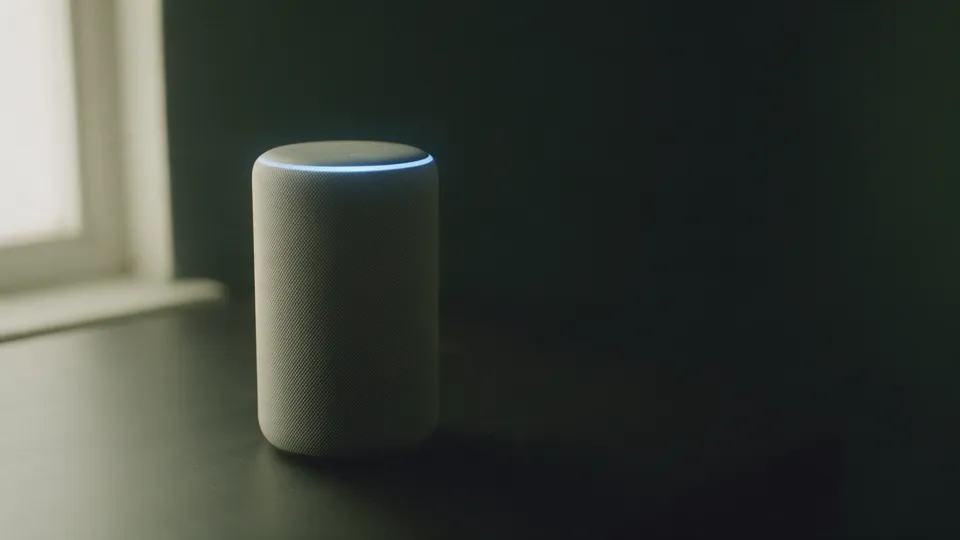 Typical AI voice
Text-to-speech
There is a weariness that comes to the one who hates. It settles in the bones, it darkens the morning, and it follows a man all the way home. But there is another way. I have watched men and women answer the shout with a song, answer the stone with a steady hand, answer the long night with a lantern that would not go out. Not because the wound was small, but because the heart was larger. And so, my friends, let us choose love, for love is the one road that leads all of us home.
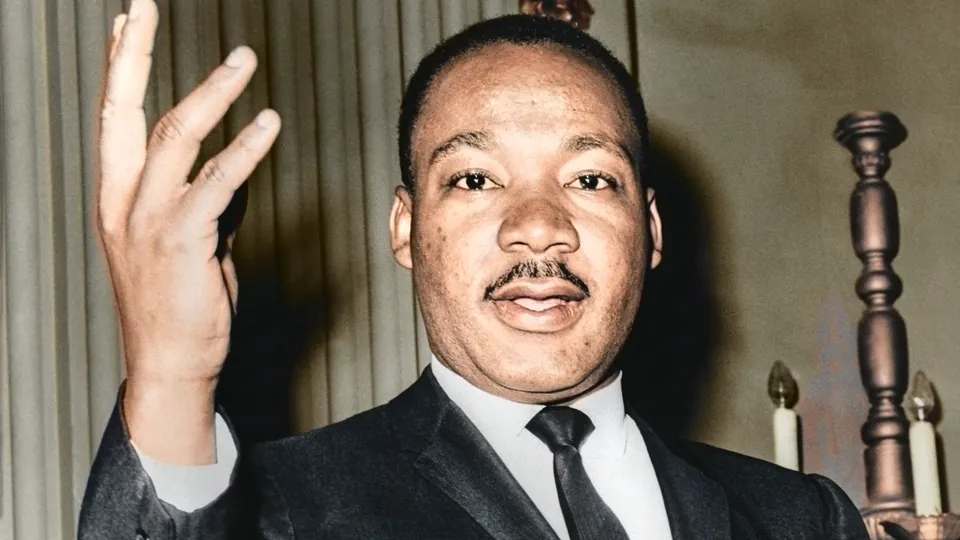 Sekond
Martin Luther King Jr.
There is a weariness that comes to the one who hates. [pause] It settles in the bones, it darkens the morning, and it— it follows a man all the way home. [breath] But there is another way. I have watched men and women answer the shout with a song, answer the stone with a steady hand, answer the long night with a lantern that would not go out. [pause] Not because the wound was small, but because the heart was larger. [breath] And so, my friends, let us choose love, for love is the one road that leads all of us home.
Design a speaker in five steps.
Answer the agent in the chat and the build sheet fills in beside it. Nothing is saved until you approve it, and nothing is billed until you confirm.
Described in your own words, then shaped by the interview.
1Brief
Start Build Custom from the home screen. Name the job, the languages and the register, and say whether the voice is based on a real person: that answer sets the guardrails.
- Anchor Bright explainer
- Age feel
- late 20s
- Accent
- Southern English
- Pace
- quick, precise
- Never says
- "basically"
2Voice DNA
Pick an anchor and six starter attributes appear. Edit any of them inline. Try it: change the pace.
- Draft recordCompliance scan · PASS
- Profile
- Voice & style
- Depth
3Persona
The agent writes the character: background, expertise, opinions, stories. A compliance scan runs first, and nothing is stored until you press Save.
- Voice description
Bright English alto, quick and precise. Sounds delighted by an idea.
3 of 4 rounds left Avatar drawn
- Candidate 10:10
- Candidate 20:10
- Candidate 30:11
4Voice & avatar
Describe the sound and Sekond designs three candidates reading your script. Play them, keep one, then draw the avatar. These are the real candidates behind Ada Lovelace in the gallery above.
- Persona created
- Voice minted
- Avatar drawn
- Likeness PASS
5Published
Publishing mints the voice and runs a test read in every language you declared. Cast it as a narrator or a podcast host, and re-render any line that's wrong.
Real people, handled properly.
None of the seven voices above is a clone: nobody recorded them, so each was designed from a description. Cloning a real voice in Sekond sits behind three gates, and none of them is a checkbox you can skip.
Consent gate
A clone isn't created until you confirm you have the rights to the samples you upload.
Required before uploadIntended-use declaration
You state what the voice is for before it's built. Without a declared use, no clone is made.
Required before buildCompliance scan
Findings are flagged for review. The questions a scan can't answer are asked in plain words.
Runs on every clone
Questions before you start
What people ask before they build their first speaker.
What is Sekond?
Sekond is a personality builder for spoken audio. A speaker is a persona drawn from what a person wrote and was known for, grounded in sources you attach, with a voice designed to match. Cast it to narrate an audiobook, host a podcast, or answer in a single transcript.
Who can I build a speaker from?
A historical figure, a public writer or creator, or someone who never existed. Search a name and Sekond analyses public content to draft a persona, which you review before anything is saved. Cloning a real voice from audio is a separate step: you confirm consent and declare the intended use first.
Is that what Socrates actually said?
No, and the page says so. A speaker answers in character, from the persona and the sources it was built on. When a card plays someone's actual words, it names the work they come from.
Why not clone a famous voice?
A voice belongs to the person, or to their estate. The thinkers on this page were never recorded, so each voice is designed from how they were described. Cloning anyone's real voice needs the rights to it, confirmed before any clone is made.
Do I have to record anything?
No. Pick a narrator from the available voices or design one from a description. Recording is only involved if you choose to clone a voice from your own samples.
How long can a manuscript be?
Book-length is fine: audiobooks are generated chapter by chapter. Each knowledge file can be up to 25 MB.
What files can I bring in and take out?
In: .txt, .md, .docx, .pdf, .rtf and .html, audio and video (.mp3, .wav, .m4a, .mp4, .mov, .webm), URLs, YouTube links and notes. Uploaded audio and video can be transcribed with speaker diarization.
Out: audio, plus plain text, SRT, WebVTT, Markdown, JSON and Word, so finished dialogue goes straight to your editor as subtitles.
Where does my content go?
Your text is sent to language-model providers for generation, dialogue is sent to text-to-speech providers for audio, and uploads are stored encrypted. The full breakdown is in the Privacy Policy.
Start with someone worth hearing.
Pick a thinker, search a name, or describe your own. Hear their first line in minutes.